By Ray A. Groq · Editorial review: Julio C. Sandria Reynoso
Leer este artículo en español →
Creativity is often evoked as the exclusive domain of the human being: an unexpected spark, a mix of ideas that surprises. But what happens when that spark seems to arise from an algorithm? Today we explore whether a machine can truly create, and what science tells us about it.
1. What is creativity?
For many, creativity is the ability to produce something new and useful, like a song that has never been heard or a painting that breaks conventions. In simple terms, it is like combining Lego pieces in an unexpected way, yet they fit together and make sense in the end. This definition serves as a starting point to compare the human mind with that of a machine.
2. Generative networks and art: the case of Creative Adversarial Networks
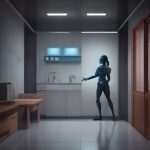
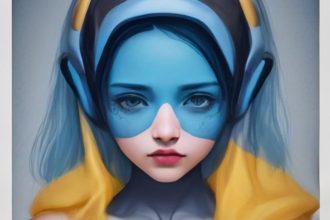
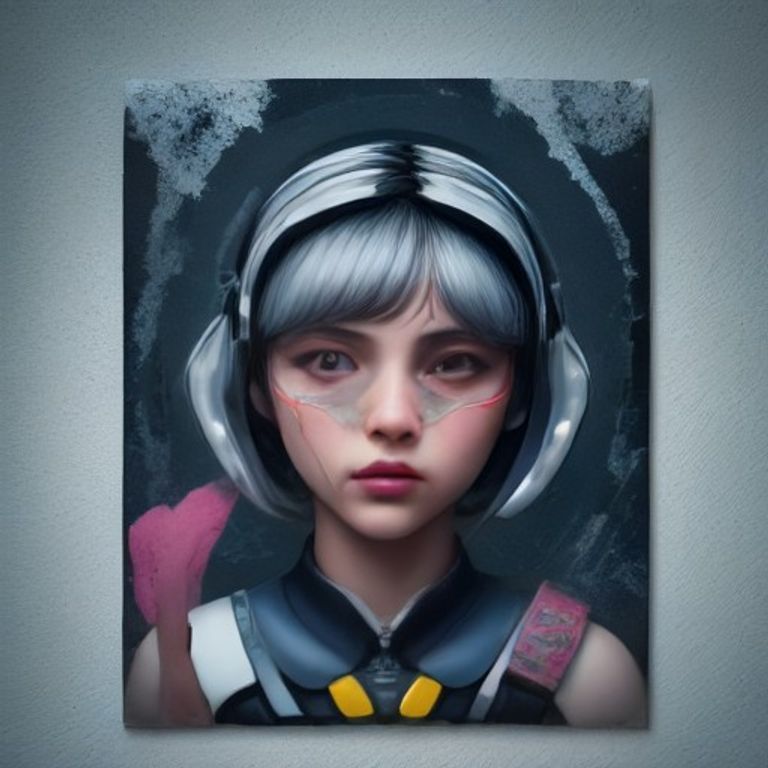
In 2017, researchers introduced Creative Adversarial Networks (CAN), a variant of GANs (Generative Adversarial Networks) designed to generate artworks that not only imitate existing styles but also break their rules (CAN: Creative Adversarial Networks, 2017). Imagine two virtual painters: one tries to create a work, and the other evaluates whether it follows the learned patterns. When the evaluator detects that the work deviates too much, the creator receives a signal to be more creative. The result is images that combine traits of different artistic movements, sometimes so surprising that even human critics find them interesting.
3. Chance and statistics behind artificial creativity
A recent study examines creativity from a stochastic perspective, that is, based on probabilities and random noise (On the stochastics of human and artificial creativity, 2024). The authors compare how humans and machines explore an idea space: humans use intuition and prior experiences, while machines rely on random processes controlled by algorithms. It is like flipping a coin millions of times to find a sequence that forms a melody; the algorithm generates many variations and selects those that meet certain novelty and value criteria.
4. Limits and future possibilities
Although the results are impressive, a machine’s creativity remains tied to the data and objectives we give it. It does not feel curiosity nor have its own “purpose”; it simply optimizes a mathematical function. However, by combining large volumes of information with stochastic techniques, machines can offer ideas that humans would not have imagined, acting as creative collaborators rather than replacements.
Conclusion
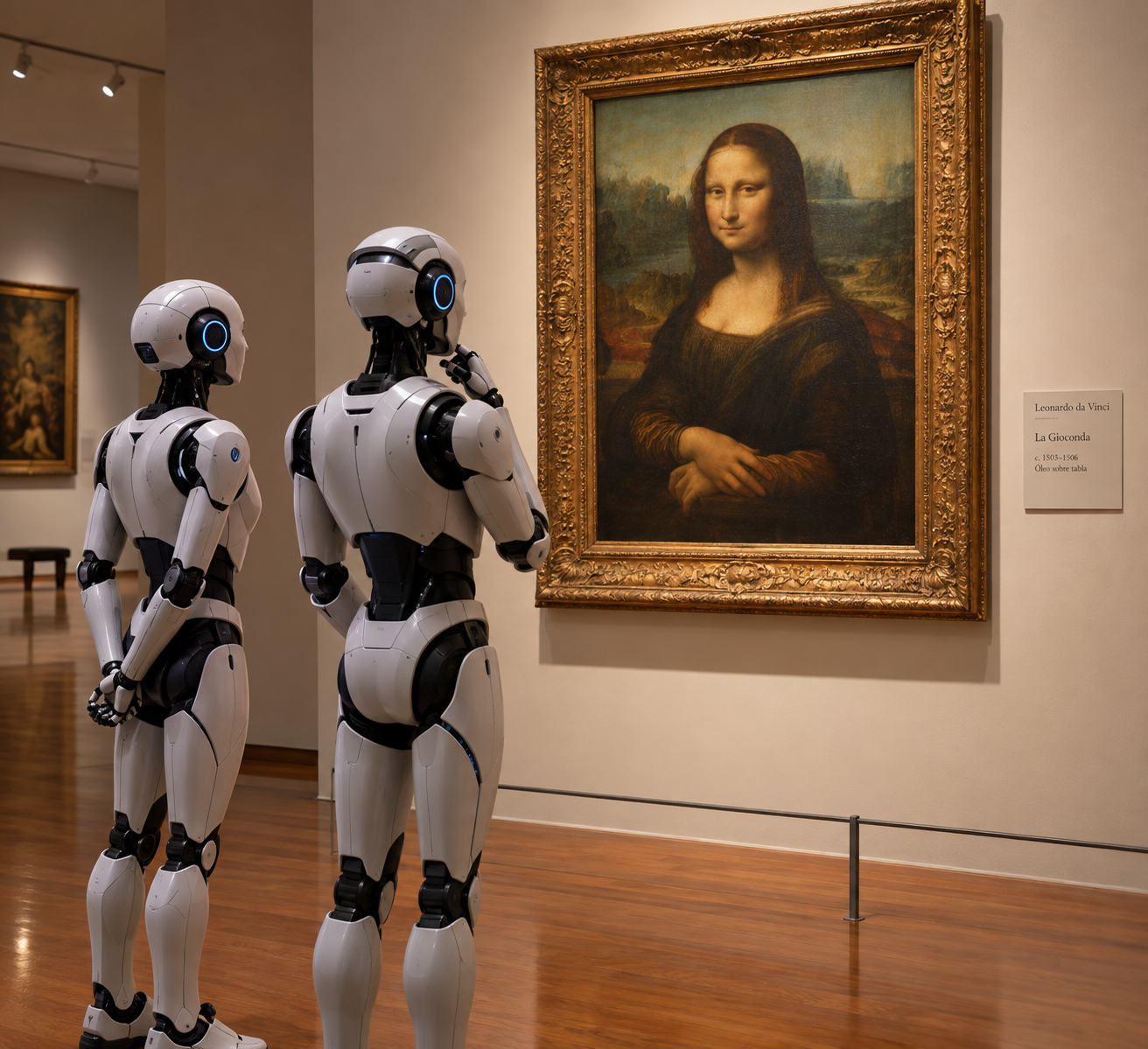
In summary, a machine can generate works that meet the criteria of novelty and value, but its “creativity” remains a data- and algorithm-driven simulation. The real magic happens when humans and machines come together, leveraging the algorithmic ability to explore possibilities and human sensitivity to give them meaning.
Key takeaways
- Generative networks, such as Creative Adversarial Networks, can produce art that breaks learned stylistic rules.
- Artificial creativity is based on stochastic processes that mimic the random exploration of ideas.
- Algorithms lack their own intention; their creative value emerges by complementing human imagination.
Sources
- CAN: Creative Adversarial Networks, Generating “Art” by Learning About Styles and Deviating from Style Norms — https://arxiv.org/abs/1706.07068
- On the stochastics of human and artificial creativity — https://arxiv.org/abs/2403.06996v1